Archive for Articles

Changing Climate, Suffering Life Forms

Drought affected India

“Change is the law of life. And those who look only to the past or the present are to miss the future” – John. F. Kennedy

Well that’s an apt statement truly depicting man’s present suffering based on his previous actions of non-judicious use of resources. Change is the law of nature and the earth has witnessed it for billions of years. As it was a natural and gradual process then, so the ecosystem could adapt to the change without any adverse impacts. But the increased human interference in the present times has disrupted the natural balance. Climate change is a consequence of the same and is having far-reaching and catastrophic social impacts affecting communities in different ways. People in developing countries are making little or no direct contribution to climate change but are likely to be among the most affected. And India lies under this same category.

According to me, health implications of climate change are one of the biggest social impact of climate change. Climate change has increased experiences of heat stress, injury and death from natural disasters (such as floods and windstorms), vector-borne diseases (such as malaria, dengue, schistosomiasis and tick-borne diseases), water- and food-borne diseases. The elderly and women are likely to be disproportionately affected by the increased disease burden.

In developing countries like Africa, where severe health problems such as malaria, HIV/AIDS and hunger-related diseases are already widespread, the added health implications of climate change are likely to result in an increase in human mortality. Rising temperatures may increase risks associated with aquatic pathogens in important fisheries, and accelerate the spoiling of food and meat.

As an example of community at the frontline of health impact and adapted to such problems, I will talk of “Vidarbha farmers” who faced the outbreak of Chikungunya in year 2006 that rightly indicts “Climate Change as the biggest global health threat of 21st century”. The cotton growers in Vidarbha, a region of the state of Maharashtra that is popularly known as India’s cotton belt, have been hard-hit in recent years by plunging cotton prices and the rising cost of fertilizer and other inputs. Crushed by mounting debts, thousands of peasants have committed suicide. And these woes were aggravated by extensive drought followed by floods, which have devastated crops and precipitated an outbreak of “Chikungunya” viral fever.

The water-borne Chikungunya virus is spread to humans through the bite of mosquitoes. It causes high fever, headache, severe joint pains, a rash, nausea and vomiting. Although Chikungunya victims generally do not die, the infection can and does cause fatalities among those already in poor health. According to doctors, “People’s immunity has gone down due to less food intake,” and the outbreak of disease and its epidemic proportion is linked to the declining food intake of Vidarbha’s farming families. This amounted to death of close to 200 people in Vidarbha alone.
The situation turns even more grave with tens of thousands of farmers not able to afford proper medical care and this is the hidden face of the crisis.

There are many such impacts, living organisms are facing at present because of their own past deeds.

This piece was written as an entry requirement to YUVA Meet, 2010. Watch this space for a series of many such problems from across the world.

Comments

Celebrating the Sun

Lohri Festival

Popcorn ki khushbu, mungfali ki bahar,

Lohri ka teohar aane ko tayar.

Thodi si masti thoda sa pyar,

Aap ko Mubarak ho Lohri ka teohar

Happy Lohri!

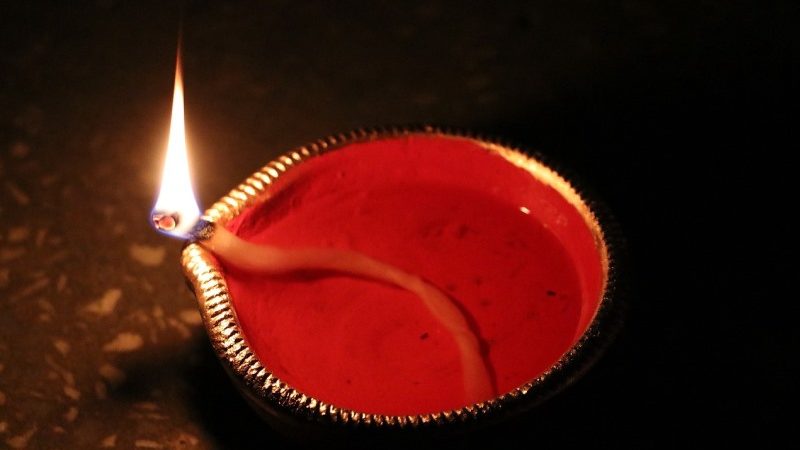
Just received this SMS message from a friend. It made me wonder why we celebrate Lohri – a day that is on 14th of January instead of 21st of December, the winter solstice. This day is the only day celebrated according to the Solar calendar among all Hindu festivals. All the other festivals are celebrated according to the Lunar calendar. It is one festival that is celebrated in one form or the other throughout the country. In Northern India it is called Lohri, in Western parts it is known as Makar Sankrant. In southern India it is celebrated as Pongal

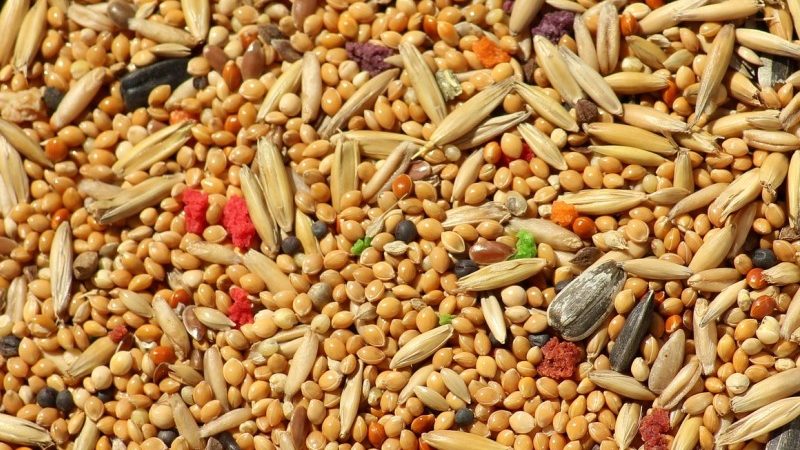
Here in North India, it is the celebration of the second harvest of corn, sesame and peanuts. It is traditionally celebrated around a fire by burning crop residue. In Western parts of the country, it is the celebration of the winter harvest of sugarcane, horse gram and wheat. In Southern India, it is the second harvest of paddy. Traditionally, it is the celebration of plenty and goodwill to all. Bonds of solidarity are established by exchanging sweets made of jaggery and sesame seeds. But it is still snow bound in the extreme north and is end of agricultural activity in rainfed regions.

21st December is the date on which the sun starts moving away from Tropic of Capricorn, towards northern hemisphere to make the days long and nights short. Because of the tilt in the axis of the earth while it orbits round the sun, the ‘Sun-set’ starts to be late but the ‘Sun-rise’ is still at the same time. So what makes 14th January special is that it signifies the beginning of early ‘Sun-rise’ in the process of expansion of the day time. What makes it interesting is that without the modern day sophisticated instruments and technologies, our forefathers knew it, calculated it, predicted it and celebrated it ritualistically.

It would be interesting to note what else happens? I noticed that the black birds called ‘swifts’ which usually fly late in the evenings are now more active during the mornings. They all gather in a row on thin wires all facing the same direction and sit on it not for more than a minute at a time. Anyone else wants to share any other observations unique for this time of the year? Please do contribute!

Comments (1)

Tending to the Climate Affected: Charity or Responsibility

Farming on the Yamuna River floodplains

Your involved participation in the conversation on various issues and your pragmatic actions continue to inspire me to write the blog. Thank you for the continued encouragement, since a little over one year now. May this year be as inspiring to you as it is for me.

We all have our concerns about climate change. With the temperature of Earth likely to rise by two degrees over the next decade, the extreme weather events are likely to increase. The winters will be more severe, summers more hot and there would be more precipitation leading to increased flooding, droughts and severe cold. One major concern is to ensure that the human species is able to survive all this. We don’t here much about population increase now. We believe that all human beings, if given the right training and support, are capable of performing as efficiently as every other human being. Hence ensuring human capital by monitoring Human Development Index (HDI) is a commitment taken by the United Nations to which all the member countries are signatory. This is what we believe in.

Given this context, there is a need for governments in their areas of governance and at all levels to ensure that humans are adequately protected due to climate change related extreme events. Every society historically took care of their poor and their underprivileged through charity. So expecting the government to take on this responsibility should not be an exception but a rule. One of the implications is the need to create temporary shelters for populations displaced due to natural disasters.

In my neighborhood in East Delhi, the Yamuna River bed becomes available for almost 8-10 months in the year as agriculture land. This was traditionally used as grazing lands by the gujjar community. They claim user rights over it even today and rent out these lands to the agricultural labour, mainly coming from Bihar. All year round these labour grow vegetables and some food grains. But during monsoon these lands get flooded and the labour residing here get displaced. There is a retired Colonel from the Army who has taken on to support them. He ensures that tents are made available during monsoon for them when the river floods. I am sure each part of Delhi has similar examples of initiatives to protect the vulnerable from such extreme events. Do share with us if you are aware of such good efforts.

Every locality will need more people like the Colonel I have in my neighborhood and given the trend perhaps more permanent of these ‘temporary’ shelters to support climate refugees. There is a need for more and more local leaders taking initiatives to support their vulnerable communities and truly make a difference. Therefore, today’s headlines about MCD’s decision to destroy the night shelters that housed 250 people is truly disturbing. The temperatures these days is into single digits, a more humane approach would have worked better. No doubt this must have been pending for long, and what was done was with the best of intentions, just wrong timing.

Comments

Welcome 2010: International Year of Biodiversity!

Year of Biodiversity 2010

The term ‘Biodiversity’, as defined by Stanford Encyclopedia of Philosophy, is the variety of all forms of life, from genes to species, present throughout in the narrow to the broad scale of ecosystems.

“Biodiversity” was coined as a contraction of “biological diversity” in 1985 by the W.G. Rosen for the first planning meeting of the ‘National Forum on Biodiversity’ held in Washington DC (September 1986), the proceedings of which (E.O. Wilson and F.M. Peter, 1988) brought the notion of biodiversity to the attention of a wide field of scientists and others. But over the years, the new term arguably has taken on a meaning and import of its own.

Why is Biodiversity important? Biodiversity boosts ecosystem productivity where each species, no matter how small, have an important role to play. But, the present times (especially since the Industrial Revolution) have put nature under immense pressure. The rate at which we are exploiting the resources of nature far exceeds the rate at which nature can replenish itself. It is feared that human activity is causing massive extinctions. From various animal species, forests and the ecosystems that forests support, marine life, the costs associated with deteriorating or vanishing ecosystems will be high.

The global importance of biodiversity is now reflected in the widely accepted target to achieve a significant reduction in the rate of loss of biodiversity by declaring 2010 as International Year of BIODIVERSITY. Thus, its high time that everyone should be made aware of the results of even their most basic actions which might adversely affect the environment. We need to conserve our biodiversity and choose the pathway of sustainable development and reduced consumption which alone can help in averting the ecological problems that are knocking on our doors today.

Comments

Empowering Context

the development challengeContext is decisive. It all depends on how you look at an issue, that provides the solutions that it throws up. Sharing with you one anecdotal example in the context of malnutrition among children below five years of age in a South East Asian country.

A certain development professional was given an assignment to remove malnutrition from the poor rural community in a South East Asian country within six months. Those of us, who have some exposure to the development initiative, will be well aware that a baseline survey to assess the status of the community is a first step to any social policy intervention.  Only carrying out such a baseline survey of a community easily takes an year. Therefore an action program that shows measurable outcomes within six months is an impossibility.

Faced with this challenge the professional talked to others and was advised to look at the community for new learning and action. So he went and stayed with the poor community and observed for clues. What he found was that all the families earned a living as agriculture labour. There were some families among them whose children were not malnourished. He wondered why and decided to follow these family routines over a few days each. What made these families unique where just three things that they did differently from the other families.

First the mothers of these children fed their below five year olds with their hands as against leaving the food for the children to feed themselves. Second, they added the greens of Casaba and Sweet potatoes to the meals and fed these three to four times a day to the children. These greens grew on the farms that these labourers went to. So no special effort was needed. Finally when they went out for labour work, they collected crustatians like small crabs and bivalves and brought them home to add to the food being cooked for the children.

Given this ‘key’ to reducing malnutrition among children, all that the professional had to do was to draw others’ attention to this. This was done by organizing group camps for collective cooking, where the mothers from these families also joined in. Their habits were observed by others, along with their healthier children. People and especially young mothers are smart and given an empowering context to operate from they can and do make a difference in the lives of their young ones.

Comments

Water Sector Impacts of Climate Change: Part II

One down...

To recap, water available per person has been decreasing since 1950 and it will be 70% of what we have by 2025 if no action is taken today. Although water is usually considered a renewable resource, it is actually a finite one with physical limits on its sustainability not because there is a change in the total water in the world but there are human institutional and financial capital limit to accessing water. Let me explain this.

If we need to store water for 12 months, we need a bigger storage tank than if we needed to store it for only say six months. Thus, if the water flowing through the perennial rivers due to melting of glaciers reduces because there are smaller glaciers to melt, then the barrages to store water will have to be taller. All this deepening of tanks or building of higher barrages needs more money. Another issue is the significant leakages of water in transition, along the pipelines. Finally, we need more manpower and a sophisticated system in place, if the water is to be delivered for more time. Clearly, water supply in relative terms is decreasing in many parts of India, including in our city.

Apart from the physical scarcity of water, the imbalance between demand and supply has put a severe strain on water management and institutional systems. We take care of our needs/ demands through any means/supply possible. In the local context, richer housing societies use ground water supply to augment the municipal supply as per their water demand. Or we make personal arrangements through private hand pumps if we have to take care at individual household level among the rich or poor. This is the ‘big picture’.

What is missing in the big picture is each of us willing to take responsibility for the situation, instead of pointing fingers at others. You know the drinking water we need every day is 20 liters per capita per day (lpcd). What we all get is 60 lpcd in Delhi! So, we get more than enough water to drink and cook. That is all the safe water we need.

What we CAN do is to “create” our own water–locally by simply collecting it instead of letting it flow. Rain Water Harvesting, using recycled water in lawns and gardens are all possible ways to recharge the ground water. It cannot be done unless each of us take appropriate action for this. We in the city are blessed with neighbourhood gardens and almost every colony has its own little patch of greens. We can collect our waste water from kitchen and washing  in a cavity in the ground and divert it to these gardens. It is not very expensive. The technology exists. The (Delhi) Government has schemes to support it. But the initiative has to come from you, as RWAs, institutions, etc.

What we will have in return is – control over our own water, a greener and cleaner Delhi and ultimately a replenished water table and a sustainable city.

Also Read:

Comments

Water Sector Impacts of Climate Change: Part I

Climate change will have a drastic impact on water supply

My vivid memory of Manmad–a township, due to major Railway junction in Maharashtra that I visited in the 60s–is that of early morning chaos, shouting and screaming over a common tap outside my uncle’s residence for collecting water. When I was growing up, the typical humorous short stories in my mother-tongue Marathi used to depict quarrels over common taps to collect water for domestic consumption in local communities, described as ‘Nala che Bhandan”. These stories were humorous portrayal of fights over water in local settings that began with minor issues. Jokes apart, this often led to communal tensions in real life. Typically, the water supply would last for two to three hours and water had to be collected and stored in that short span of time–one tap for twenty households.

I am sure similar scenarios exist in the villages and slums of Delhi as they do in parts of Patparganj. Delhi is an expanding city. We attract people in search of employment and new livelihood opportunities. This leads to additional population pressure and a much increased demand for fresh water. Then we settle in the city, get our families, and create wealth. Then expect to move into houses with bigger better bathrooms and taps, and an ever increasing demand for water. Typically, most of us migrated to Delhi either in this generation or in the past few generations.

This increasing water demand can be met only by a limited set of options like building more storage in dams and reservoirs, creating underground storage and transfer structures. Our city is mainly supplied by Yamuna river a perennial supply fed by the Himalayan Glaciers and we generously tap into ground water to augment it. These have yielded some positive results and also have potential for further extension. But there are inherent limitations to these strategies.

As if this was not enough, climate change has introduces a whole new dimension to the water challenge. The impact of climate change on rainfall patterns, river flows, dependent upon glacial melt and sea levels has only recently begun to be scientifically assessed with some degree of accuracy. Nevertheless, a recent report by the Intergovernmental Panel on Climate Change (IPCC) concludes that it is “very likely (a greater than 90 percent probability) that most river basins are likely to become drier leading to persistent water shortages.” Moreover, glacial melt that today supplies 80 percent of the dry season flow to the major northern rivers including Yamuna, could see this contribution reduced to 30 percent over the next 50 years, i.e in our life time.

So the possibility of a 24/7 water supply is going to remain a dream for most of us and we need to think of a new strategy to ensure that we have enough water for our consumption in the future. So what next?

Comments (1)

Social Impact of Infrastructure Projects

Common Wealth, sigh!

Your feedback and suggestions for the Blog are very valuable to me and I appreciate the time and efforts you put in providing them. I am hugely benefited by the feed back not only because it makes me feel good, but also because it gives me clues to the direction of your thinking and actions. It is particularly encouraging when I get feed back to past posts because it tells me that the writing is still in your memory. After all this is our blog and our city and we should support each other in making it a creative one.

I had earlier shared interesting statistics about the Delhi NCT region . In that it has 111 sq. km. of forest 40 sq. km. of tree cover against the geographical area of 1483 sq.km. Thus this cover represents only about 10.2% of total area of land. However as per government records, so much plantation has been done since 1950, by various agencies like CPWD, DDA MCD, etc. that 470 sq.km of area should be under dense forest. The responsibility of the contractors/ builders for tree plantation ends with depositing the money with the forest department. So much for trees affected by infrastructure projects.

Yesterday I met  few researchers, really committed and concerned about the people affected by infrastructure projects. They shared with me some insights into the Resettlement and Rehabilitation (R&R) issue related to infrastructure projects. They also informed that the responsibility and accountability for R&R ends with the private company depositing the relevant amount of money with the government. So unless the affected people are large enough or organized enough, the compensation package that they receive is ‘pereto optimal’ (affected people should be, at least as well off after displacement as they were before it, if not better) and nothing ever comes to the light.

Also, what remains not measured is the impact on people who were providing services to the displaced families and businesses, like the vegetable vendors, cloth vendors, tea and snack stalls which are ‘mobile’. They are impacted and take at least a few years to recover, if at all. At the same time, there are no figures available of families or small roadside businesses (Panwallas, Istri-wallas, cobblers etc.) who are affected due to a Delhi Metro project or road expansion/ widening for the Commonwealth Games. What I am aware of is that R&R happens over stretches. It is done almost overnight and clandestinely.

If any one has more information on this and would like to share, please do leave it as a comment. I would very much like a dialogue on this issue.

Comments (3)

3Rs For E-Waste

ewaste

In the last twenty years, computers have revolutionized our daily life. In our every day life we use cell phones, sit in front of various screens like our PCs, television sets etc. and use our microwaves and fridges for keeping ourselves well fed quickly. Travel reservations have become so easy with the computers and cellular phones.

The other thing that we do is replace our mobiles, computers, fridges, washing machines etc. more frequently than we need to. My mother uses a fridge she got in 1989, while I have changed 4 since then. I have to have the most recent good looking fridge as my friends have it. I have to keep up with the latest. Same goes for cell phones, computers, stereos and microwaves. This consumerism is great for our city and economy as it increases demand which in turn boosts our economy and maintains a good growth.

But every solution to an old problem is a new problem. This consumerism gives rise to electrical and electronic or the e-waste. It is one of the fastest growing waste stream in the world. It needs appropriate treatment and disposal facilities that we do have in our country, as per the legal requirements. We also have a Law.

What is missing is that there are not enough Kabadiwalas to reuse, recycle and dispose e-waste safely. This waste contains over 1000 different substances. The long term health impact of e-waste is cancer. Why are there not enough Kabadiwalas? Because there is not enough demand for its treatment.

ecycling ewaste

In the past when there were fewer cars in Delhi, old car batteries producing lead were simply thrown away. But over time, when the number of old batteries increased with an exponential increase in the number of cars, there came, Kabadiwalas who processed it to extract lead and which is a ‘dirty’ but lucrative business.

What can we do? What we can do is to recognize this impacts of our actions and overcome the barriers to inventing a future of e-waste free environment. The biggest barrier is peer pressure to buy newer, better, latest things. Second barrier is indifference to the impact or our actions on the environment. The solution, like for any environmental problem, is to reduce, reuse and recycle. We as consumers can reduce. We can postpone decision to buy an electronic gadget like computer, cell phone or its upgrade. It will be cheaper for you. Use the gadgets till they ‘die’. As part of their last rites ask the shop keeper or the Kabadiwala, when he takes it away, how he plans to dispose it off and suggest recycle and reuse of substances extracted from it. Be aware and start asking questions.

Comments (3)

Public Transport – I

Go Green at KG Marg Delhi

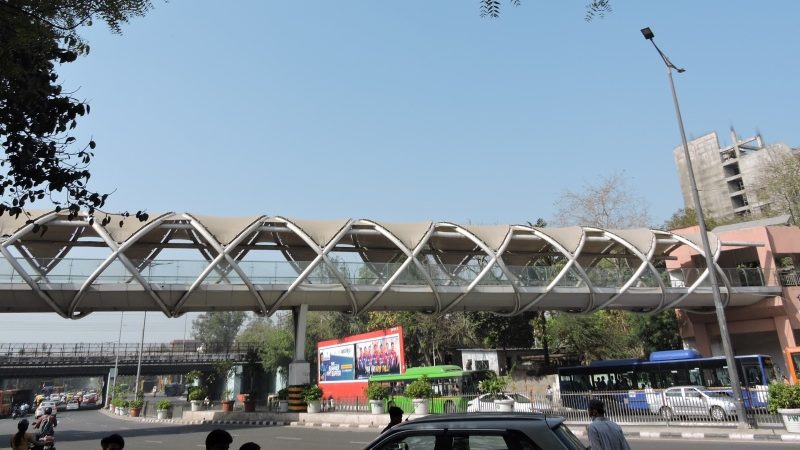
In any conversation about Delhi contributing to climate change due to CO2  emissions, dominant is the issue of intra-city transport using petrol, CNG and diesel. This contributes over 30% of the city’s emissions and is difficult to reduce.

What is also spoken in the context of our city is the lack of adequate public transport. How we don’t have public transport in the form of buses or railways or water ways. How inta-city transport services at the desired quality, quantity (frequency) and price are lacking so as to make it a preferred option. All kinds of statistics are quoted to substantiate this statement. For exampl, a majority of the poor in the city cannot afford to pay for motorized transport however cheap. They use bicycles or walk to their place of work. A majority of the middle class have at least one motor vehicle, usually a two wheeler that goes 70-80 km per liter. Most, if not al middle class families, now own a car with which goes 14-17 km per liter and takes care of both their need for family outing and daily commute. Then there are ‘contract’ buses for daily commute to work. The rich have more than one car and they use them all.

We all know what is missing is the incentive to use public transport for daily commute as a preferred option. Hence what needs to be done: make it more cheap, more comfortable, and more desirable, than any other mode of transport including walking. The Metro where it exists has worked exactly for this reason. This may be done by  making all other modes of transport in comparison to public buses more expensive, through high taxes on private vehicles, and cess on petrol and diesel, and traffic management though carbon pricing etc. We all know these politically correct economic answers and yet they are not being chosen.

A person moves to the city first and foremost to earn money that he can send ‘home.’ Subsequently, they continue to stay for better services and quality of life. What they are already doing in the context of city transport, is the best outcome, given the situation. Hence the problem is only partially economic, there are other dimensions, cultural, political and behavioral. What is required is creating a new possibility in the area of transport, such that people are moved and inspired to take actions and support the transformation (not change) created by this new possibility. After all change persists and is inevitable.

Comments (2)

Click for New Delhi, India Forecast