- Wednesday, January 26, 2011, 15:41
- Carousel, Green News
- 5,864 views
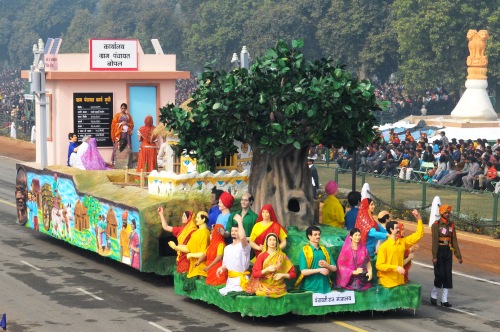
The tableau of the Ministry of Panchayati Raj at the Republic Day 2011 Parade.
The 62nd
Republic Day, celebrated today on 26th January 2011 was a symbol of harmony, self-governance, biodiversity and sustainable development that are inherent to the Indian culture. The Republic Day ...
Full story
- Wednesday, May 20, 2009, 11:19
- Articles
- 8,329 views

The urban governance projects initiated in the infrastructure sectors in Indian cities like Delhi and Mumbai, over the past ten years are all based on the assumption that slum dwellers have basic unalienable human rights to clean drinking water, sanitation and environmental hygiene, especially in the slum community of the city. These rights are so basic and fundamental that, the elected representative and the government as right protector, is obligated to provide them.
While the investment for capital assets like toilet blocks or stand posts and drainage lines are paid for by donor funding in Delhi NCR region over the decade. There is pressure on the city governments to meet the Operation and Maintenance (O and M) costs, of electricity used for pumping if any and minor repairs of taps and drains, through their own revenues. Alternately, another model proposed for O and M coverage, is through user charges, paid by the slum community that is serviced, over the life of the asset.
One way to over come the resistance by the slum community to paying daily or monthly user charges is develop a sense of ownership by involving them right from the planning stage, though the construction to final usage and making all transactions including the financial ones open and transparent to the community through a participatory demand driven approach, by implementing bodies in this case the Delhi Municipal Corporation (DMC) or relevant Urban Local Bodies (ULB).
This situation reminds me of an old Om Puri’s movie in which
Full story