

Top 10 Indoor Plants for Improving Air Quality in Homes
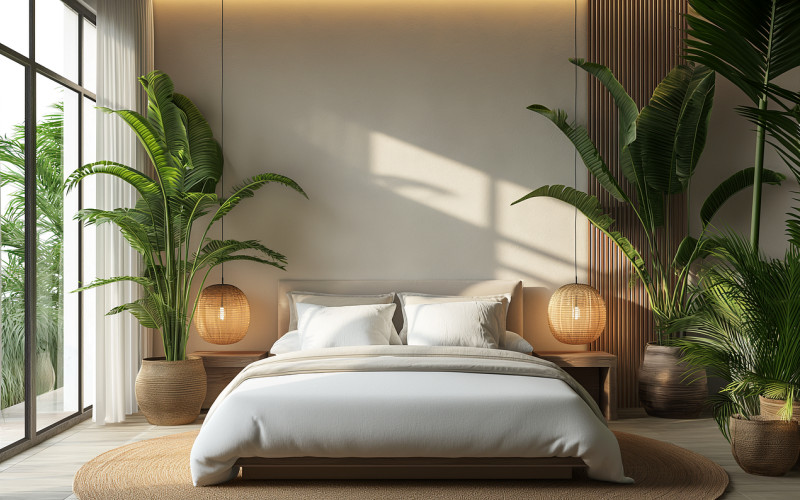
In Delhi, air pollution is not just an outdoor concern; it quietly infiltrates our indoor spaces. Winds carrying dust, vehicle emissions, construction residue and smog often enter our homes. This results in indoor air that feels heavy and stale. While air purifiers and fans can assist, the most natural, economical and aesthetically pleasing method to improve indoor air is by incorporating plants in our living spaces.
Indoor plants may not entirely eliminate pollution, but they significantly improve air quality. They optimize humidity and benefit overall health, transforming homes into serene and green retreats. The key is to choose plants that can thrive in Delhi’s unique climate with its temperature variations, dry air and limited light & space in apartments.
Here are 10 indoor plants that are perfect for homes in Delhi, offering both air-purifying properties and beauty.
1. Snake Plant (Sansevieria trifasciata)
Snake plant purifies indoor air by helping reduce pollutants such as formaldehyde and benzene. Unlike most plants, it produces oxygen at night, making it ideal for bedrooms. Its large vertical leaves help trap dust particles and reduce indoor dust accumulation. It also improves mental health by creating a calm and organized indoor environment.
Snake plant can thrive in low to bright indirect light and tolerates shade. Watering is required every 10–15 days allowing the soil to dry completely between watering. Cleaning the leaves weekly helps remove dust and promote healthy growth. Light fertilization every 2–3 months during the growing season is sufficient. You can buy Snake Plant online or from your local nursery, as is true for most other plants listed below.
2. Rubber Plant (Ficus elastica)
Rubber plant helps purify indoor air by removing airborne pollutants common in urban residences. Its large, thick leaves trap dust particles, reducing indoor air irritation. When grown in groups, it can slightly increase indoor humidity. It is resistant to pollution, adaptable to indoor conditions and tolerant of Delhi’s temperature variations.
Rubber plant requires bright, indirect light and should not be exposed to direct sunlight. Watering should be done when the top 2–3 cm of soil is dry. It grows best in well-draining, nutrient-rich soil and should be fertilized once a month during spring and summer. Even though rubber plants can reach tree-sized dimensions in outdoor or natural settings, indoor plants remain manageable when potted and pruned consistently.
3. Bamboo Palm (Chamaedorea seifrizii)
Bamboo Palm helps filter common indoor pollutants such as benzene and formaldehyde. Its fine leaves trap dust particles and add slight humidity to dry indoor air. The plant is non-toxic and safe for homes with pets and children. Bamboo palm adapts well to indoor conditions, tolerates dry air, pollution, and requires low maintenance.
Bamboo Palm thrives in bright, indirect light and moderate shade. Soil should be kept lightly moist but not waterlogged. A well-draining, moderately rich potting mix is ideal. The plant benefits from periodic misting and leaf cleaning.
4. Parlor Palm (Chamaedorea elegans)
Parlor Palm plays a role in enhancing indoor air quality by filtering out common pollutants and adds a touch of humidity to dry indoor environments, which is especially helpful in Delhi conditions. It is pollution-resistant and well-adapted to all indoor environments.
Parlor Palm prefers bright to moderate indirect light and can thrive even in low-light situations. Watering should occur when the top layer of soil is dry, and a well-draining potting mix is essential for healthy growth. Parlor Palm requires minimal upkeep.
5. Areca Palm (Dypsis lutescens)
Areca Palm naturally purifies indoor air by removing common pollutants such as xylene and toluene. It increases humidity and enhances indoor brightness through its lush growth habit. It is is pollution tolerant, non-toxic and effective in reducing dry indoor air in Delhi homes.
Areca Palm prefers bright, indirect sunlight and should be watered when the topsoil feels dry. A fertile, well-drained potting mix is essential, and fertilization every 4–6 weeks during the growing season is recommended.It is best placed in living rooms near large windows, corners, and shaded balconies.
6. Money Plant (Epipremnum aureum)
Money Plant helps remove indoor air pollutants such as formaldehyde and benzene while increasing humidity. Its flowing foliage reduces stress and enhances indoor spaces. It grows well in both soil and water. It tolerates pollution, low light and temperature variations, making it ideal for Delhi homes.
Money Plant thrives in low to bright, indirect light and should be watered when the topsoil is dry. Regular pruning encourages dense growth, and leaves should be cleaned to remove dust. It is suitable for living rooms, bedrooms, balconies, stair railings, shelves and areas with indirect sunlight.
7. Peace Lily (Spathiphyllum wallisii)
Peace Lily absorbs pollutants such as formaldehyde, benzene and carbon monoxide and helps reduce mould spores in enclosed spaces. Its white flowers enhance indoor aesthetics and promote relaxation. It thrives indoors, adapts to enclosed spaces and mitigates indoor pollutants during heavy smog months.
Peace Lily prefers low to medium indirect light and consistently moist soil. A nutrient-rich, well-draining potting mix is recommended. Regular cleaning of leaves and removal of faded flowers helps maintain plant health. It fits well in small to medium-sized homes.
8. Spider Plant (Chlorophytum comosum)
Spider Plant improves indoor air quality by reducing carbon monoxide and other pollutants and boosts indoor humidity. The plant grows quickly and produces easily propagated plantlets. Spider plant handles pollution well, adapts to apartments and requires minimal care.
Spider Plant prefers bright, indirect light but tolerates low light. Watering should be done when the topsoil is dry. It is ideal for hanging baskets, kitchen windows, study areas, shaded balconies and living room corners.
9. Aloe Vera (Aloe barbadensis miller)
Aloe Vera improves indoor air quality and provides medicinal benefits. It requires minimal watering and is suitable for water-conscious households. It thrives well in Delhi’s hot, dry climate and performs well in sunny indoor spaces.
The plant prefers bright light and gentle direct sunlight. Watering every 2–3 weeks is sufficient, allowing the soil to dry completely. A sandy, well-draining potting mix is essential. It is ideal for window sills, kitchens, and balconies.
10. Boston Fern (Nephrolepis exaltata)
Boston Fern filters indoor pollutants, boosts humidity and adds texture to interiors. It creates a visually cool and calming environment. It addresses dry indoor air, performs well indoors and tolerates pollution.
Boston Fern prefers bright, indirect light and evenly moist soil. A rich, well-draining potting mix is recommended. Regular misting, trimming of dry fronds and monthly fertilization during the growing season help maintain healthy growth. It is best placed in bedrooms, living rooms, bathrooms with natural light, and shaded balconies.


This article comes at just the right time. Nothing is more important for Delhi now than focusing on green plantations, both outdoors and indoors. Without this, the mighty infrastructure and rapidly advancing technology in the city remain incomplete they could even collapse. Health must always come before money. It seems modern cities are blinded by wealth, and countless premature deaths occur every year because of health issues.
The air we breathe is a very serious matter, and we, the people of Delhi, must pay attention to it. To raise public awareness about such issues, articles like this are truly needed. You are doing a great job, TAHCHANU
This blog is very relevant, especially in times when pollution levels in Delhi and many parts of India are a growing concern. Highlighting indoor plants as a simple way to improve air quality at home is both practical and inspiring. The writer deserves appreciation for bringing attention to such an important and positive topic. A thoughtful and informative piece—well written!
This article is a million dollar worth that every person living in Delhi today must read and take action for themselves to reduce the impact of air pollution at an individual level.
I would suggest the govt of Delhi territory to provide flower pots and these plants to as a part of battling against the air pollution in the region.
I’ve been contemplating on which indoor plant would be the best for my room and seeing this insightful information has made it way easier for me to finally decide. Well-researched!
I’m so grateful to come across this post , for the past few weeks I’ve been looking for indoor plants with the benefit of acting as air purifier. As a resident of Delhi with 250+ AQI this is a problem-solving for me. With this information I’m buying it without thinking twice. Thank you
Very helpful
A very helpful article!! Expecting more articles from Miss Nengpilhai in the near future.
I think this information is much needed in delhi right now considering the air quality that blankets the whole Of North India , short concise information regarding the plants that are important is really helpful for the viewer as much confusion on what plants to choose is unknown to many .
A good reminder indeed to safe guard and protect our environment and health. Thanks for bringing up this platform to acknowledge the well being of a healthy environment and a great future ahead…