
HPCL Expands Circular Packaging Push
India’s transition towards a circular economy is increasingly being shaped by how large industries manage packaging waste. In a notable development, state-owned energy major Hindustan Petroleum Corporation Limited (HPCL) has announced that it recycled nearly 12,000 tonnes of plastic and achieved 100% compliance with its Extended Producer Responsibility (EPR) recollection targets during FY 2025–26.
The milestone highlights a growing shift within the industrial sector towards reducing plastic waste, increasing recycled content in packaging and meeting stricter sustainability regulations.
Moving Beyond Virgin Plastic
 Through its lubricant business, HP Lubricants, HPCL has introduced Post Consumer Recycled (PCR) plastic into a significant portion of its packaging portfolio. The company says many of its lubricant containers now contain between 30% and 40% recycled plastic, reducing reliance on virgin polymers derived from fossil fuels.
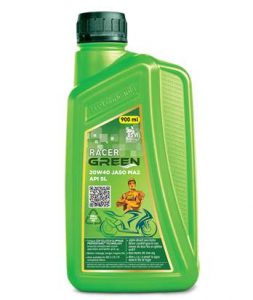
One of the most significant developments is the introduction of a fully recycled package for HP Racer Green, which now uses 100% PCR material. The move demonstrates how recycled-content packaging is beginning to enter mainstream industrial applications that traditionally depended on newly manufactured plastics.
For sustainability advocates, such initiatives are important because they help create demand for recycled materials, strengthening markets for plastic recovery and recycling.
How the Circular System Works
PCR material is produced from plastics that have already completed their first life cycle as consumer products. Materials such as PET, HDPE, and polypropylene are collected, sorted, cleaned, processed, and converted into granules that can be used to manufacture new packaging.
HPCL’s recycling ecosystem also draws material from informal waste collection networks. By sourcing plastic waste through scrap collectors and aggregators, the system not only diverts waste from landfills and the environment but also supports livelihoods within India’s vast recycling economy.
The approach reflects a key principle of circularity: keeping materials in use for as long as possible rather than treating them as disposable resources.
EPR Compliance Becomes a Sustainability Driver
India’s Extended Producer Responsibility framework requires companies to take responsibility for the plastic packaging they introduce into the market. This includes collecting equivalent quantities of plastic waste and progressively increasing the use of recycled content in packaging.
According to HPCL, the company achieved full compliance with its FY 2025–26 recollection obligations, successfully recovering approximately 12,000 tonnes of plastic placed into the market. The recovered material is being redirected into productive recycling streams rather than becoming waste. The company has also continued expanding PCR usage across additional packaging formats as part of its EPR commitments.
Recyclable Metal Packaging Remains Part of the Strategy
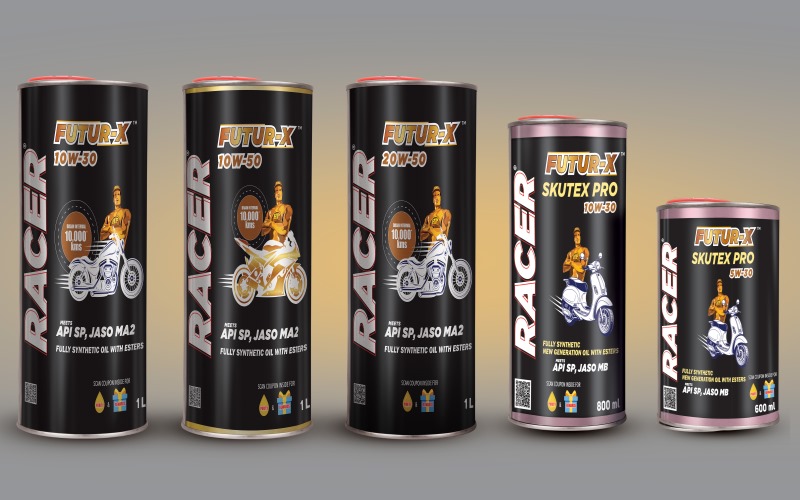
Alongside recycled plastic adoption, HPCL is continuing to manufacture fully recyclable tin packaging for selected lubricant products. Metal packaging offers high recyclability and can contribute to waste reduction when supported by effective collection systems.
The company says its packaging strategy focuses on balancing environmental performance with product protection, durability, and operational requirements.
Why It Matters
India generates millions of tonnes of plastic waste annually, making corporate participation essential for scaling circular economy solutions. While recycled plastic often remains more expensive than virgin plastic, investments by large manufacturers can help build demand, improve recycling infrastructure and accelerate market adoption.
HPCL’s achievement of 100% EPR recollection compliance and the recovery of nearly 12,000 tonnes of plastic illustrates how regulatory obligations can evolve into broader sustainability initiatives. As more companies integrate recycled content into packaging and strengthen waste recovery systems, circularity is becoming a measurable business practice rather than a long-term aspiration.
For environmental stakeholders, the key takeaway is clear: closing the loop on packaging requires both collection and reuse. HPCL’s latest figures suggest that progress is possible when recycled materials, responsible waste management, and corporate accountability work together.