
Wetlands Heritage, Culture and Knowledge in India
India’s relationship with wetlands is as old as civilization itself. From Rigvedic hymns celebrating sacred rivers to intricate temple tanks of southern kingdoms, wetlands have been woven into the fabric of Indian cultural identity. As World Wetlands Day 2026 emphasizes traditional knowledge in wetland conservation, India must reconnect with its ancestral wisdom: wisdom that modern science is only beginning to validate.
The Indus Valley Civilization flourished in the wetlands and floodplains of the Indus River system. Archaeological evidence reveals sophisticated water management including reservoirs, drainage networks, and ritualistic bathing tanks like the Great Bath. These embodied a worldview where water bodies held both practical and spiritual significance, a duality persisting in Indian consciousness today.
This sacred relationship finds expression across India’s diverse cultural landscape. The concept of teertha (sacred water bodies as pilgrimage sites) transformed wetlands into repositories of religious and cultural memory. The Ganga, Yamuna and Godavari are not merely geographical features but living goddesses in Hindu cosmology. The pushkarini or temple tanks of Tamil Nadu and Karnataka served multiple functions: irrigation, community gathering spaces and ritual purification centers. The Meenakshi Temple tank and Gujarat’s step-wells exemplify how traditional architecture harmonized human needs with aquatic ecosystem preservation.
Indigenous and local communities across India maintain wetland ecosystems through time-tested practices. The systems so created embody deep ecological understanding. In Kerala, the pokkali rice cultivation system alternates rice farming with shrimp cultivation in a sustainable cycle that modern aquaculture struggles to replicate. The Apatani tribe of Arunachal Pradesh developed integrated rice-fish farming in valley wetlands, recognized by UNESCO as a Globally Important Agricultural Heritage System. The Bhils in central India have maintained traditional fishing practices in riverine wetlands that ensure species regeneration through seasonal restrictions based on breeding cycles.
In Manipur, the phumdis or floating islands on Loktak Lake have sustained traditional fishing communities for generations. Local fishermen possess intricate knowledge of fish migration, seasonal variations and ecosystem dynamics encoded in oral traditions and lunar calendars. This knowledge enabled sustainable resource use long before scientific concepts like carrying capacity emerged. The Chilika Lake fishermen in Odisha similarly demonstrate sophisticated understanding of estuarine ecology, adjusting fishing methods according to salinity changes and migratory bird patterns.
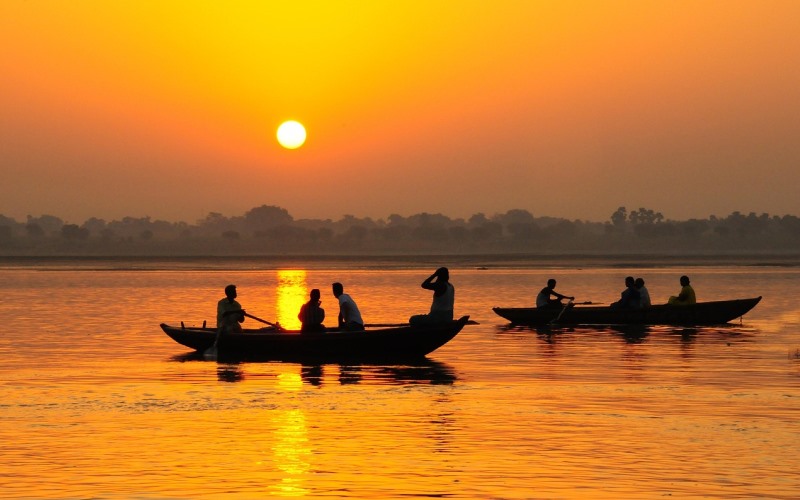
Traditional festivals further illustrate this cultural-environmental nexus. Chhath Puja, celebrated in Bihar and eastern Uttar Pradesh, centers on riverine wetlands where devotees offer prayers while standing in river water. The practice certainly discourages pollution and encroachment when one sees so many going inside the water body. Similarly, Jal Jhulni Ekadashi involves ritual cleansing of water bodies, reflecting understanding that community well-being depends on healthy wetlands. The Jallikattu festival in Tamil Nadu, now controversial for other reasons, historically maintained wetland grazing commons essential for livestock-dependent communities.
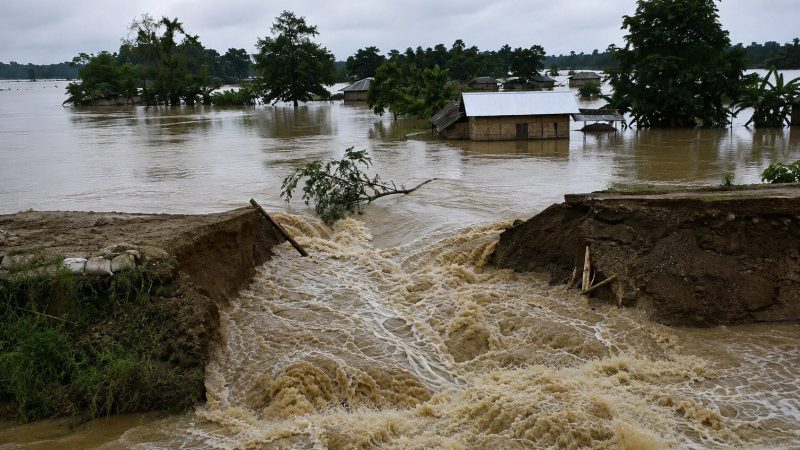
However, this heritage faces unprecedented threats. India has lost approximately forty percent of its wetlands since independence, driven by urbanization, agricultural expansion, and inadequate policy. While ancient Indians revered wetlands through cultural practices, modern development often views them as wastelands. The National Wetlands Inventory identifies over 7,50,000 wetlands covering about 4.63 percent of India’s area, yet many exist only as administrative designations without effective conservation.
The path forward requires integrating traditional knowledge with conservation science. These are aspects that the World Wetlands Day 2026 precisely advocates. The Waikato-Tainui example from New Zealand, where indigenous elders detected ecosystem changes before scientific monitoring could, finds parallels in India. Many fishing communities identify subtle changes in water quality and fish behavior that instruments might miss. Incorporating such wisdom into management plans, as the Tana River Delta has done, could transform Indian conservation.
Recent initiatives offer hope. The Wetlands Rules 2017 acknowledge traditional practices. The Wetland Mitras programme engages communities as stewards, recognizing conservation requires those who have lived with these ecosystems for generations. States are reviving traditional water bodies, from Rajasthan’s step-well restoration to Tamil Nadu’s temple tank rejuvenation. Yet more must be done.
Scientific institutions should partner with traditional knowledge holders, documenting practices like sustainable fishing techniques and indigenous water quality indicators. Universities should examine the ecological basis of cultural practices around wetlands. Critically, conservation policies must grant local and indigenous communities genuine decision-making power, not token consultation.
As we observe World Wetlands Day 2026, India stands at a crossroads. We can continue wetland degradation masked by development rhetoric, or reclaim the wisdom that sustained these ecosystems for millennia. Our ancestors understood what modern ecology confirms: wetlands are vital organs of the landscape, repositories of biodiversity, climate regulators, water purifiers and flood buffers. The solution lies not in choosing between tradition and modernity but recognizing that effective conservation emerges when ancestral wisdom and contemporary science work together.
India’s cultural heritage around wetlands is not museum material; it is living knowledge waiting to be honoured and applied. Only then can we reverse alarming wetland loss and ensure these precious ecosystems survive for future generations. Not just as wetlands but as sacred spaces, as life-support systems, and as integral parts of our cultural identity.
Image by TonW